
Description
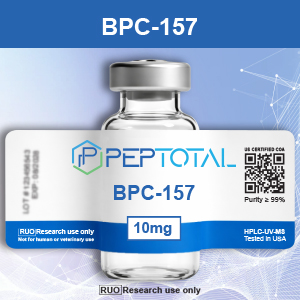
BPC-157, also known as Pentadecapeptide BPC-157 or Body Protection Compound-157, is a synthetic peptide that has been investigated in scientific studies for its potential role in tissue repair and regenerative research. Research has explored its possible involvement in the recovery processes of muscle, tendon, ligament, nerve, and joint tissues.
BPC-157 consists of 15 amino acids, which is why it is commonly referred to as a pentadecapeptide. The peptide is derived from a protein fragment originally identified in gastric juice, known as Body Protection Compound (BPC).
Overview
BPC-157 has been widely studied in experimental models for its potential involvement in wound healing and tissue regeneration pathways. Some research suggests that BPC-157 may interact with growth hormone (GH) receptor pathways, which could influence cellular signaling associated with tissue repair.
In research settings, the peptide has been observed to potentially support cellular proliferation, collagen formation, and the development of new blood vessels, a biological process known as angiogenesis. These mechanisms are often associated with tissue regeneration and recovery processes.
BPC-157 has also been examined in studies related to gastrointestinal function. Serotonin, a neurotransmitter present in the gastrointestinal tract and mucosa, plays a role in regulating gastric activity and blood flow. Changes in serotonin levels may influence gastric acid secretion and mucosal balance.
Experimental research has suggested that BPC-157 may interact with serotonin receptor pathways, including the 5-HT2A receptor, which could influence serotonin-related signaling in certain biological systems. Because of these interactions, the peptide has been explored in laboratory models for its potential involvement in gastrointestinal tissue integrity and recovery processes.
Additional studies have investigated BPC-157 in relation to several biological functions, including:
• Tissue repair mechanisms
• Pain signaling pathways
• Gastrointestinal regulation
• Cellular recovery in tendons, ligaments, muscle, and bone tissue
Research has also explored the peptide’s potential influence on vascular development and inflammatory signaling, particularly in experimental models involving gastrointestinal ulceration and tissue injury.
Reference
https://pubmed.ncbi.nlm.nih.gov/?term=Pentadecapeptide+BPC+157
Storage & Molecular Integrity
Peptides are highly specific amino acid chains with delicate molecular structures. To maintain maximum biological activity and prevent degradation or aggregation (“gelation”), strict adherence to the following storage protocol is required:
- Total Light Protection
Peptides are photosensitive. Store reconstituted vials in complete darkness. We recommend wrapping the vial in aluminum foil or using an opaque storage case. - Refrigeration Required (35°F–46°F)
After reconstitution, store vials in the back of the refrigerator. Do not store in the refrigerator door, as temperature fluctuations may compromise stability. - Zero Agitation Policy
Do not shake the vial. When reconstituting, allow bacteriostatic water to flow gently down the inside wall of the vial. Swirl slowly only if necessary. Excess agitation may damage peptide structure and reduce effectiveness.
⚠️ IMPORTANT: Failure to follow proper storage procedures may result in loss of potency and reduced performance.
• • • PLEASE READ • • •
RESEARCH USE ONLY DISCLAIMER AND LIMITATION OF LIABILITY
All articles, materials, content, and product-related information made available on this website are provided strictly for informational and educational purposes only and shall not be construed as medical, pharmaceutical, clinical, or therapeutic advice, nor as a representation of safety or efficacy for any human or animal use.
These products are not drugs, pharmaceuticals, biologics, medical devices, dietary supplements, food products, or cosmetics, and they have not been evaluated, approved, or authorized by the United States Food and Drug Administration (FDA) or any other regulatory authority for human or animal use.
The Company reserves all rights and expressly disclaims any liability arising from misuse, improper handling, or unauthorized application of its products.
Additional information
| WEIGHT (mg) | 10mg |
|---|---|
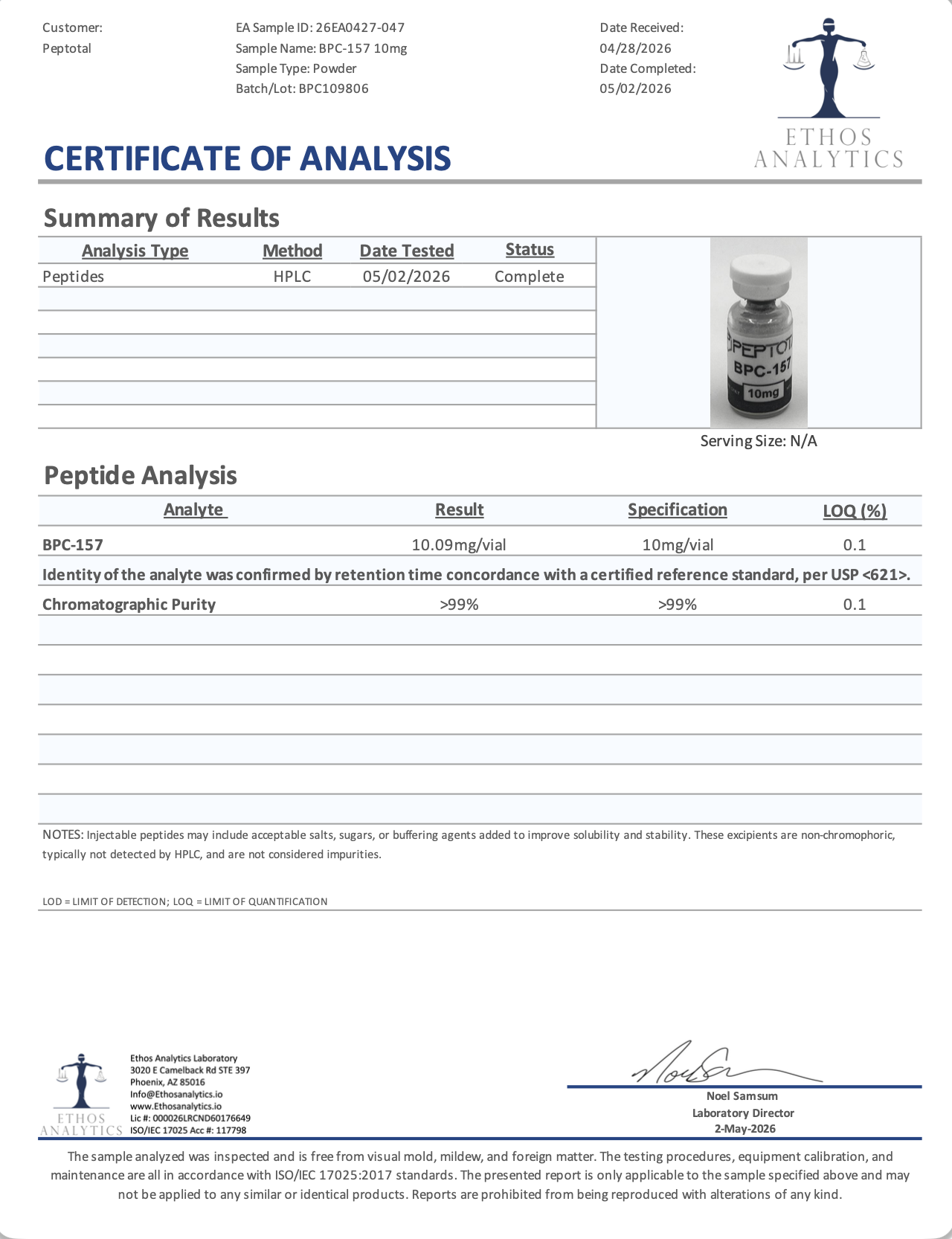
| PURITY LEVEL | ≥ 99% + |
| CERTIFICATE OF ANALYSIS | HPLC US Certified |
Only logged in customers who have purchased this product may leave a review.
Reviews
There are no reviews yet.